Staying in touch with the right technology
But companies can refine this approach with technology in mind. Remote work has upended how leaders interact with employees and how co-workers connect with each other. These interactions are the foundation of work culture; sharing ideas and experiences are what drive the essential connections in any culture.
Still, even in our technologically driven age, the biggest impact on culture remains the same: respect.
Cultures focused on respect and transparency flourish. One survey, conducted by the Harvard Business Review, found that respect was the leading behaviour that encourages greater commitment and engagement. Prioritising respect really does change every conversation between colleagues, and it really does motivate employees better than fruit bowls.
Employers can signal respect with greater transparency. Using technology, employers can share business results – by posting them on a public channel, for example – and facilitate open communication in general.
Taking a wider view, most people say their sense of purpose is defined by their work, and so the best cultures allow us to define ourselves in a way that is satisfying. Some of this satisfaction is derived from our interactions with others. Indeed, a big part of our sense of self is constructed from communicating with other people, as research from the University of Washington found.
In a healthy culture, when you speak to someone at work and genuinely enjoy the interaction (because you like this person, you like how he or she feels about their job) those pleasant exchanges are what fuel the cooperation that distinguishes companies where people are happy versus those that are unhappy. In contrast, in toxic work cultures, you can see everyone as a knot in their stomach, feeling undervalued, unheard, and unmotivated.
In a word: unhappy.
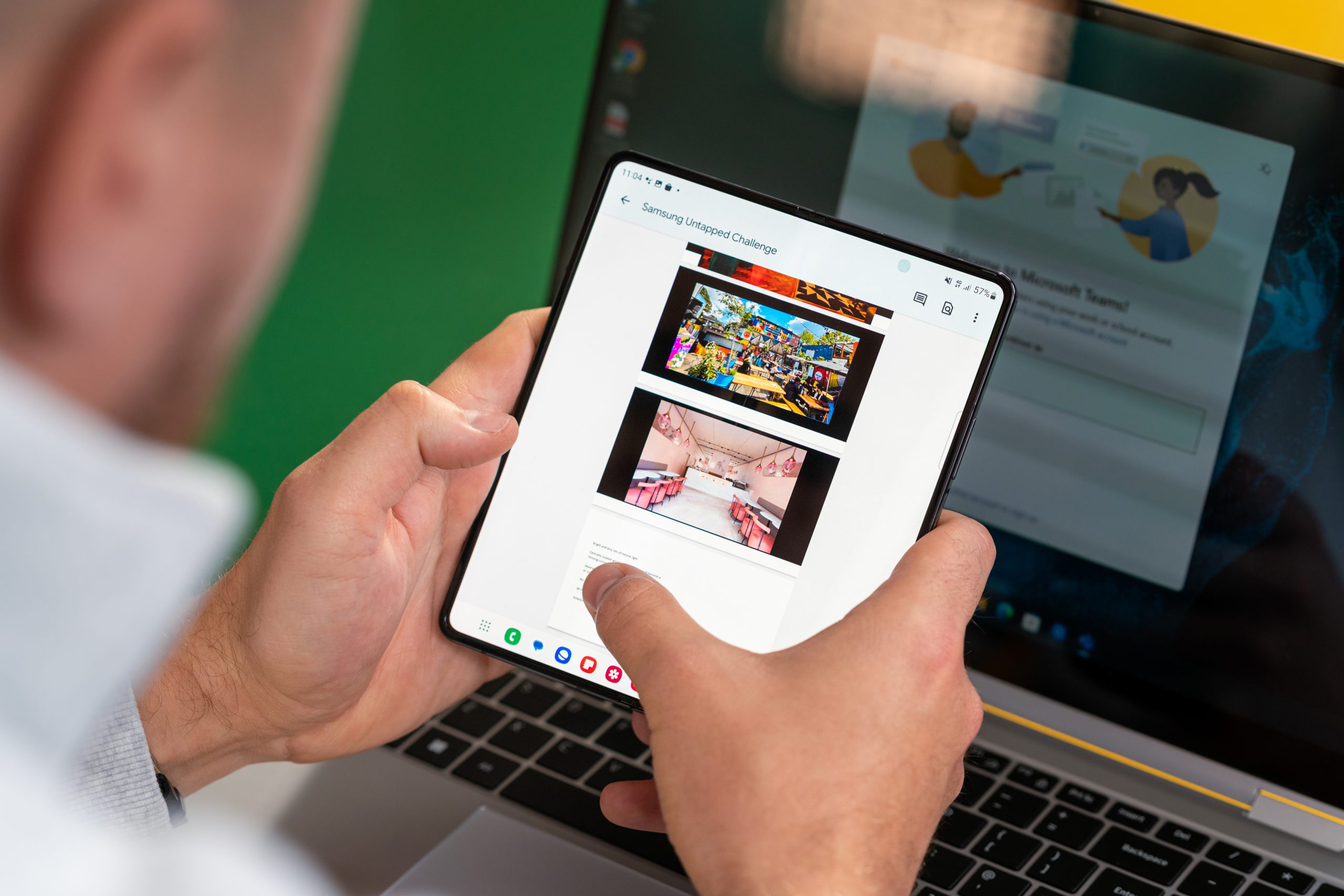
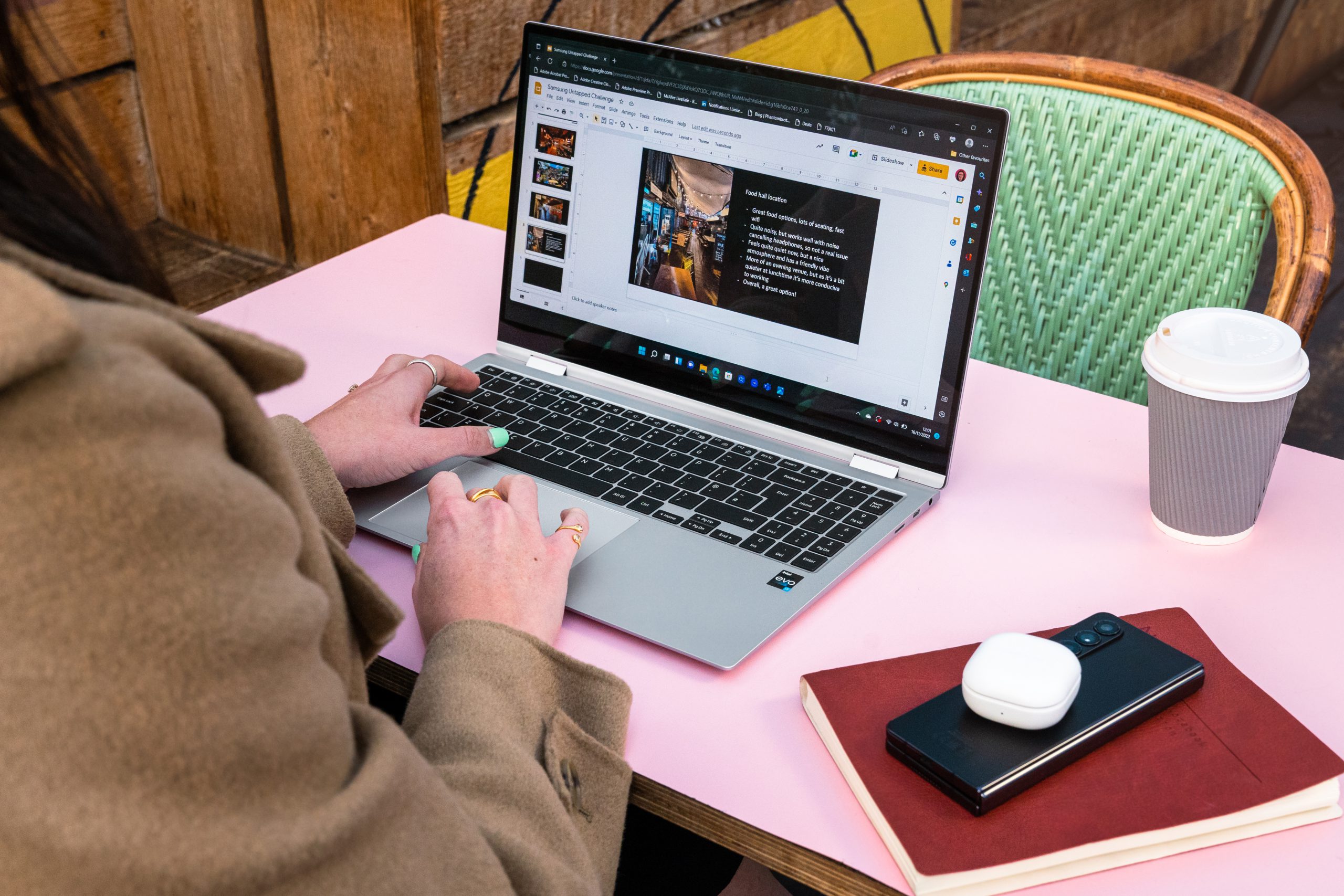
Today, part of the challenge is recreating those opportunities for nourishing interactions over the web. Companies need to be able to easily blend a meeting at the office with a few working elsewhere, without stressing about changing a word on a presentation when it’s on your phone.
To this end, all the devices need to talk to each other; you need to switch from one to the other without missing a beat. You need a computer that can seamlessly drop an Excel sheet to your phone, and back again. It’s got to be easy to keep up with your team, and that means if you can’t take a call on a train, or in a food court, then you really aren’t working fluidly, and aren’t reaping the full benefits of this massive cultural shift.
‘Remote work has upended how leaders interact with employees, and how co-workers connect with each other—and our interactions are the foundation of work culture.’
In sum, a healthy workplace culture happens when people work together well. Increasingly, how well we can work together depends on how easily we can share ideas, feedback, and stay up-to-speed on all that’s going on, no matter where we are.
Read on for four reasons why fluid working culture – enabled by technology – helps to foster a healthy, happy company culture.